
As India transitions toward a more sustainable and energy-secure future, natural gas is emerging as a key bridge fuel. Known for its cleaner-burning properties compared to coal and oil, natural gas is playing a central role in powering industries, homes, and transportation while helping the country move toward its climate goals.
In this blog, we explore the future of natural gas as a clean energy source in India, its growing importance, government policies driving its use, and how companies like Oceanic Infra Private Limited are building the infrastructure to support this shift.
Why Natural Gas?
Natural gas is often called the “transition fuel”—cleaner than coal and oil but more scalable than many renewable sources in the short term.
Key Benefits:
- Lower emissions of CO₂, NOx, and SO₂
- High efficiency in power generation and industrial use
- Cost-effective and reliable for domestic cooking and heating
- Safer storage and transport when compared to liquid fuels
Natural gas emits up to 50% less CO₂ than coal and about 20–30% less than petroleum, making it a strong interim solution in India’s decarbonization roadmap.
India’s Energy Vision and the Role of Natural Gas
The Indian government aims to increase the share of natural gas in the primary energy mix from the current 6% to 15% by 2030. This vision is part of broader goals that include:
- Achieving net-zero emissions by 2070
- Reducing dependence on imported crude oil
- Promoting cleaner air and sustainable urban growth
Natural gas is expected to play a vital role in bridging the gap between fossil fuels and renewables in the next 10–15 years.
Key Sectors Driving Natural Gas Demand
1. City Gas Distribution (CGD)
Piped Natural Gas (PNG) and Compressed Natural Gas (CNG) are becoming common in urban homes and public transportation. Companies like Oceanic Infra are involved in expanding CGD networks across India.
2. Power Generation
Natural gas-fired power plants are quicker to build and operate more efficiently than coal-based ones, especially for peak-load demand.
3. Industrial Use
Industries like glass, ceramics, textiles, and chemicals rely on natural gas for cleaner and consistent thermal energy.
4. Automotive Sector
CNG vehicles are rapidly replacing diesel-powered public and commercial vehicles, especially in metro cities.
Infrastructure Expansion: A Major Enabler
To meet the rising demand, India is investing heavily in natural gas infrastructure:
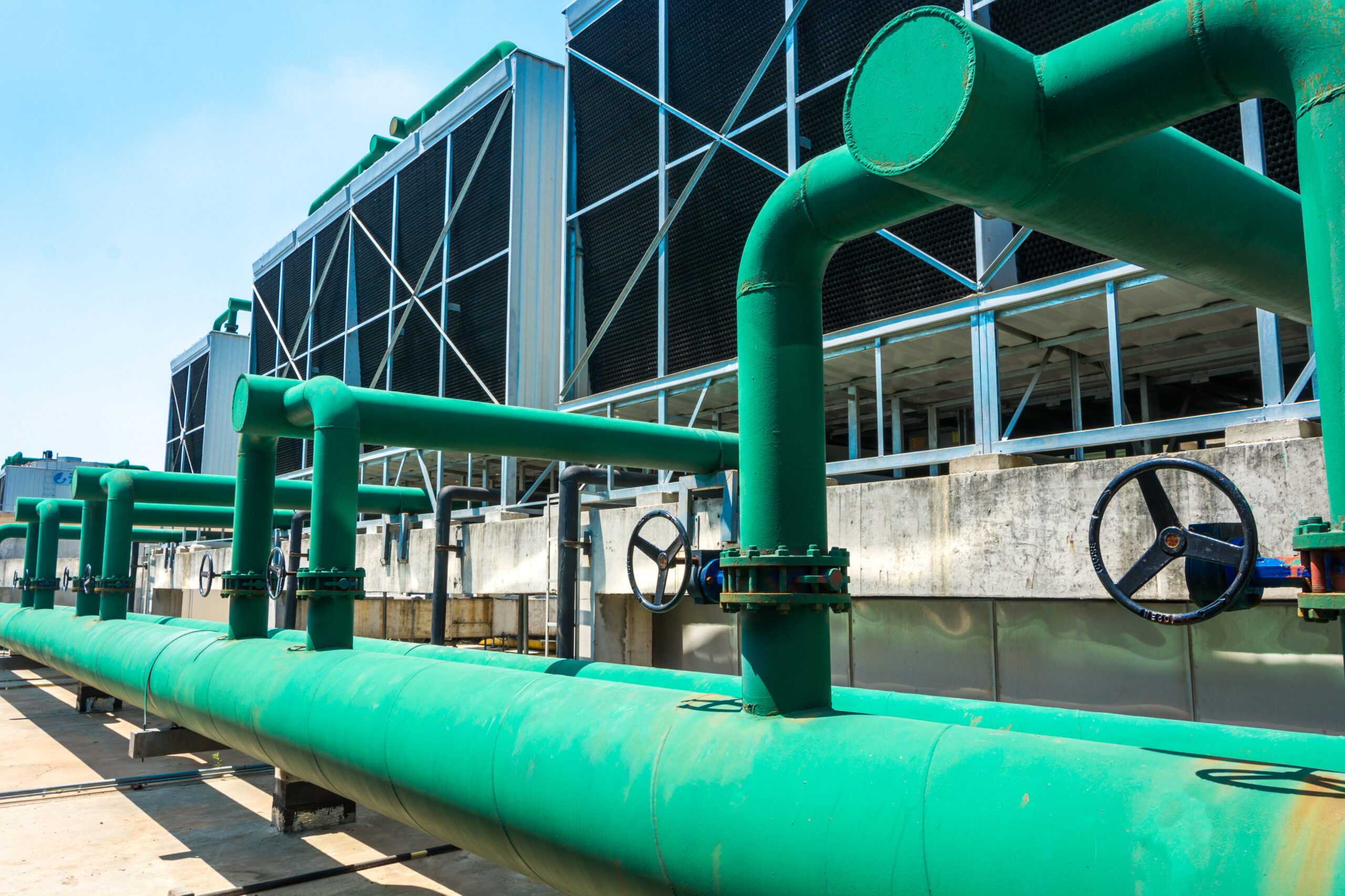
- National Gas Grid with over 35,000 km of pipeline connectivity
- Over 400 CGD zones awarded across urban and semi-urban areas
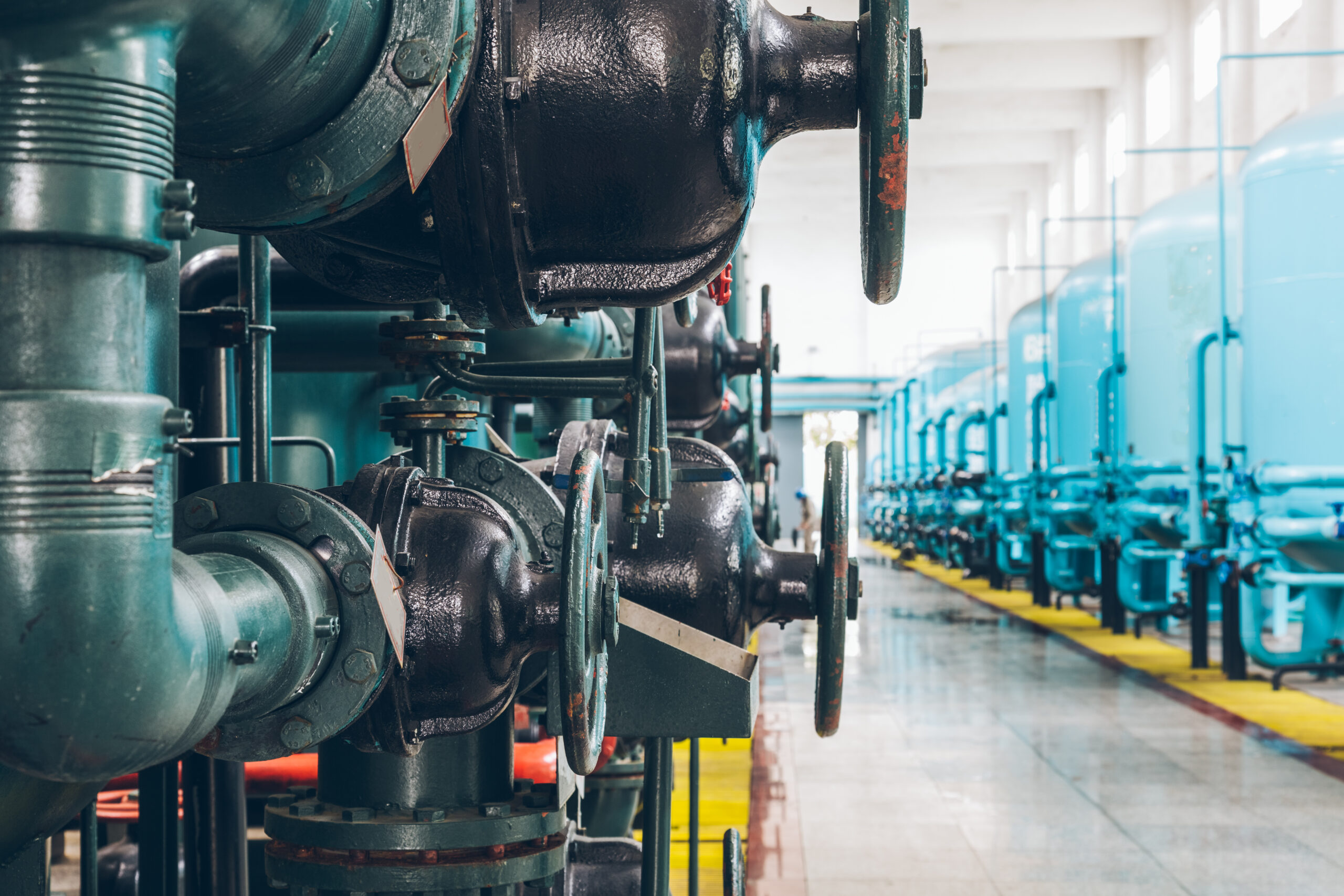
- Development of LNG terminals and storage facilities at ports
- Focus on last-mile connectivity through CNG corridors and mobile refueling units
Oceanic Infra Private Limited plays a critical role in this ecosystem by executing underground pipeline projects and laying the foundation for safe and efficient natural gas distribution.
Challenges Ahead
While the future is promising, a few roadblocks remain:
- High initial infrastructure costs
- Regulatory hurdles and RoW delays
- Limited domestic production and import dependency
- Need for skilled manpower in gas handling and operations
Oceanic Infra addresses these challenges through modern trenching techniques, regulatory expertise, and a skilled engineering workforce.
The Road Ahead: Innovations & Sustainability
The future of natural gas in India will be shaped by:
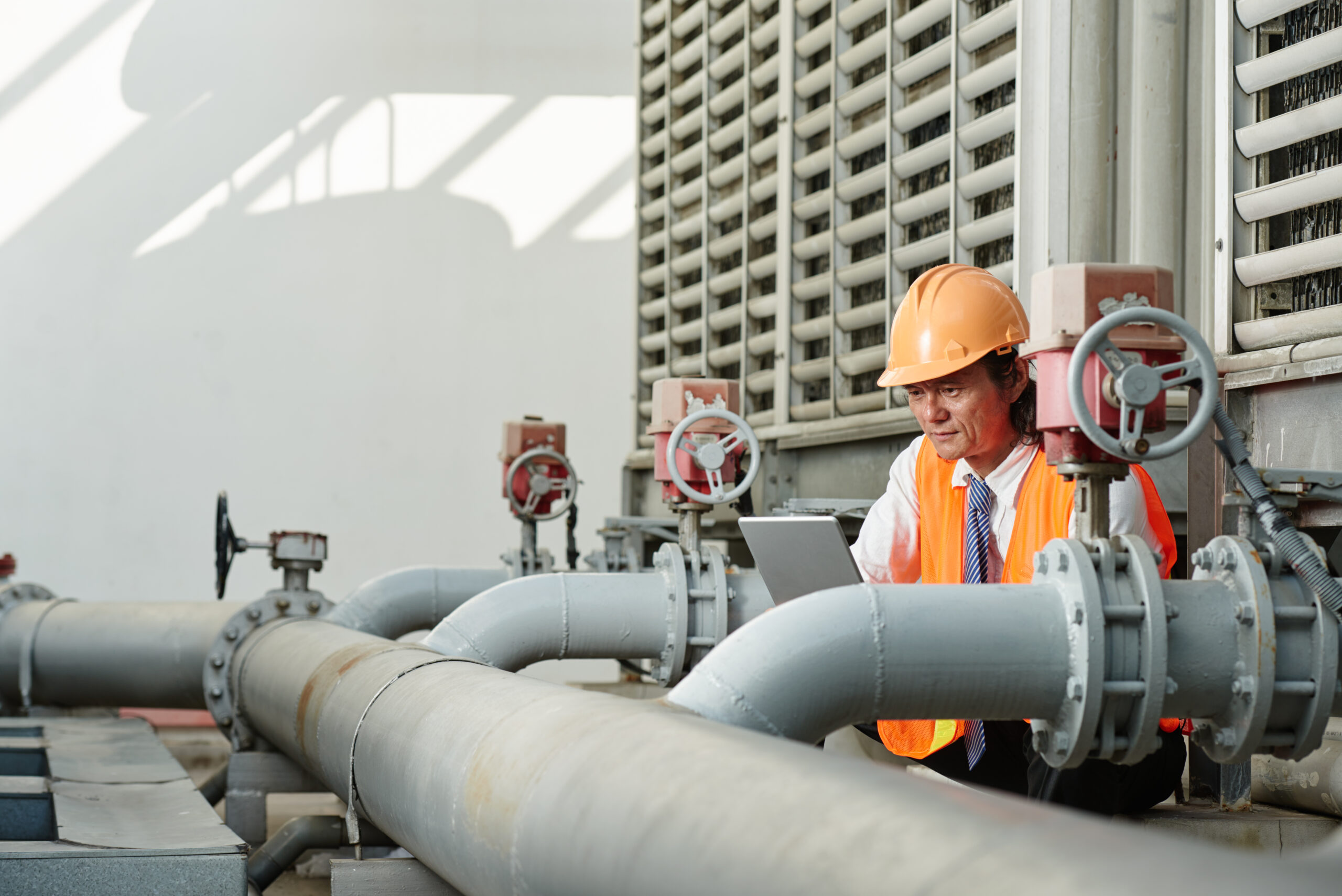
- Digital monitoring systems for pipeline management
- Hybrid models combining gas with renewable power
- Green hydrogen blending into the natural gas grid
- Smart metering and leak detection systems
- Increased public-private partnerships (PPP) for CGD development
Oceanic Infra is committed to adopting next-generation technologies to make gas infrastructure smarter, safer, and more sustainable.
Conclusion
Natural gas is not just a cleaner energy option—it’s a crucial pillar in India’s journey toward energy independence and environmental responsibility. With strong government support and expanding infrastructure, the role of natural gas will only grow in the coming decade.
At Oceanic Infra Private Limited, we’re proud to power India’s clean energy future—one pipeline at a time.